When DIY feels tempting in a Denver home
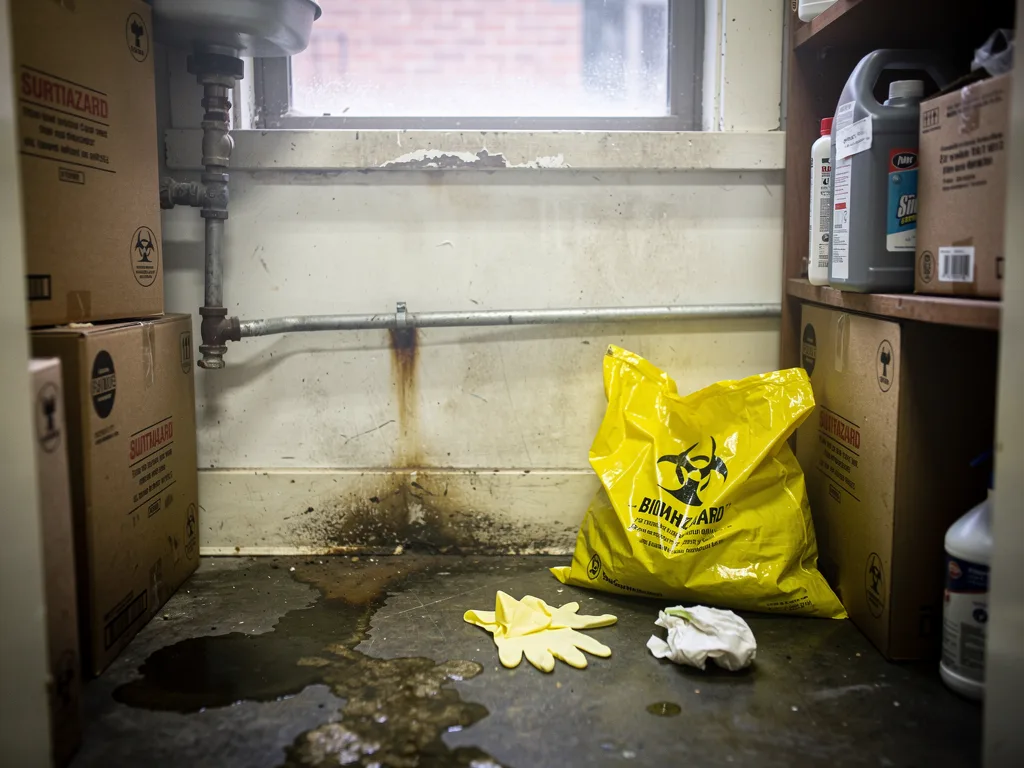
A spill or small surface exposure might seem manageable. You’ll find tips online about cleaningפים, but biohazard cleanup isn’t just dirt. It involves regulated materials, proper containment, and safety gear. In a typical Denver scenario, attempting to clean without the right steps can spread contamination, put family at risk, or complicate later remediation.
DIY work often addresses surface appearance but not the underlying hazards. For example, a minor blood stain on carpet might seem simple, but without containment steps and proper disposal, traces can linger and harm occupants or future cleaners. Our team emphasizes the difference between surface cleaning and proper remediation.
What a biohazard remediation technician actually does
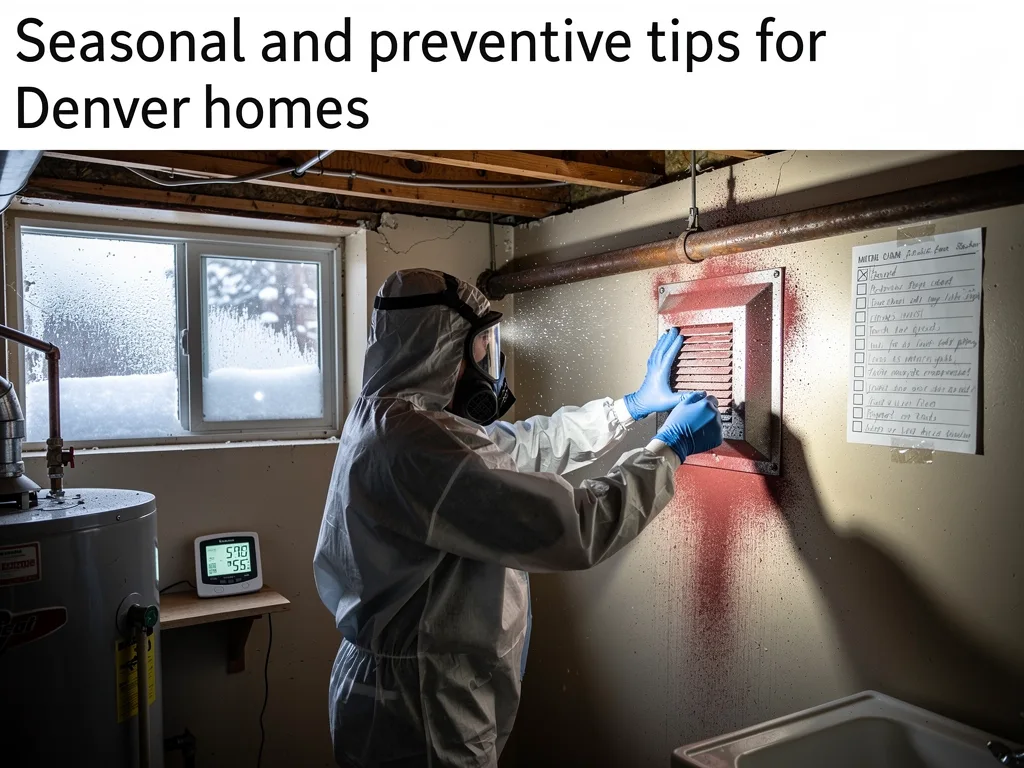
Our crew follows a disciplined process. We assess the affected area, establish containment to prevent cross-contamination, and use hospital-grade cleaning agents appropriate for the conditions. We document the scene, set up ventilation when needed, and carefully remove waste in compliance with safety guidelines. This isn’t about scrubbing harder; it’s about selective, proven methods that reduce risk.
In Denver, environmental conditions matter. Humidity and temperature can affect how contaminants behave. The right approach tailors steps to the space and the material involved so you don’t end up re-cleaning or re-mediating later.
When to call a pro instead
If you’re unsure what you’re dealing with, or you’re dealing with bloodborne pathogens, decomposition odors, or suspected mold growth after a traumatic incident, call a biohazard remediation technician. If a spill involves large areas, or if you notice persistent smells after cleaning, a professional assessment is warranted. Denver Biohazard Cleanup Co provides an on-site inspection to determine scope and approach.
What to expect from a pro assessment
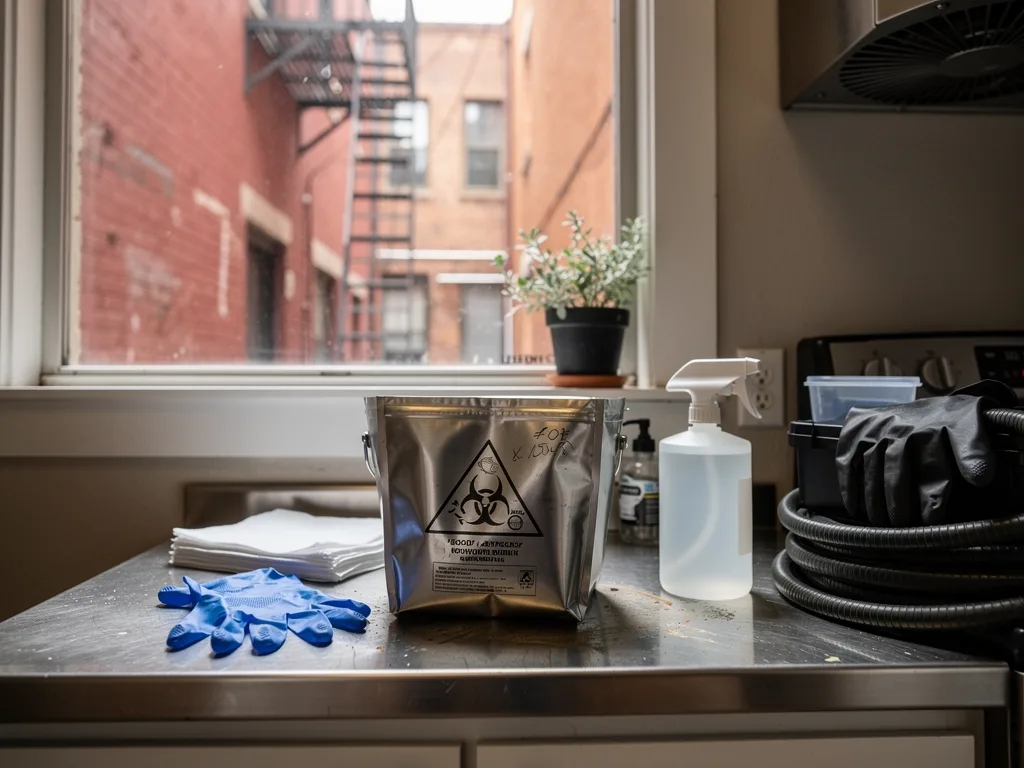
We’ll outline containment zones, cleaning methods, disposal plans, and a clear sequence of steps. We avoid making promises about outcomes; instead we describe the process and the safety measures we’ll use. A written plan helps you understand what will happen and when.